Essential Oils for Pest Control: Natural Home and Outdoor Deterrents
Essential oils can be genuinely useful in a natural pest-control routine. Peppermint is the classic choice for ant trails and entry points, cedarwood and lavender fit beautifully in closets, and citronella, lemongrass, catnip, and geranium are outdoor favorites. Their fresh, volatile aromas make the places we want to protect less inviting to certain insects.
The most satisfying results come from giving oils the right job. Use them as a fragrant deterrent around a clean, sealed home—not as a substitute for removing a nest, treating a serious infestation, or preventing mosquito-borne disease. Pairing essential oils with practical pest prevention creates a stronger system than either approach alone.
The best essential oils for natural pest control
These are the oils that appear most consistently in aromatherapy recommendations, plant-based pest products, and repellent research:
- Peppermint: The go-to indoor deterrent. Its sharp, menthol-rich aroma is especially popular around ant trails, window frames, door thresholds, baseboards, and other small entry points. Laboratory research has found repellency against Argentine ants, although a home scent barrier should still be paired with cleaning and sealing.
- Citronella: The best-known outdoor oil. Citronella has demonstrated mosquito-repellent activity, but it evaporates quickly and usually provides shorter protection than longer-lasting registered repellents. It is a lovely choice for patios and outdoor living areas when used in a product designed for that purpose. Explore Citronella essential oil.
- Lemongrass: Bright, lemony, and closely related aromatically to citronella. Aromatherapy companies frequently include it in garden and outdoor blends. Use it around patios or entry points rather than directly on garden plants, because concentrated oils can injure leaves. Read about Lemongrass essential oil.
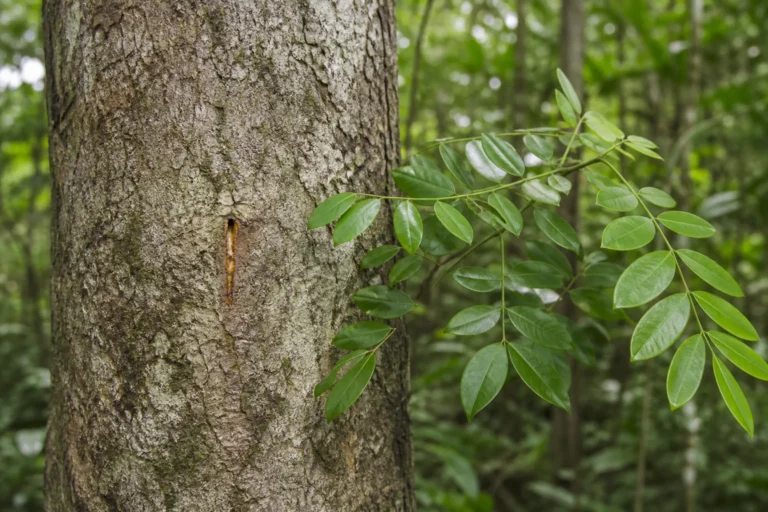
- Cedarwood: A natural fit for drawers, closets, storage chests, and linen cupboards. Its dry, woody aroma pairs well with lavender and is often recommended for moth-prone storage areas. Start with Cedarwood Atlas essential oil.
- Lavender: A softer-smelling partner for cedarwood in closets and stored linens. It is also commonly included in plant-based insect-deterrent lists, although its strongest role at home is making a practical sachet smell pleasant enough to keep using. Learn more about Lavender essential oil.
- Catnip: More than a novelty for cats. Catnip oil and its constituent nepetalactone have shown promising repellency against mosquitoes and flies in laboratory research, and catnip oil is among the active ingredients that may appear in EPA-registered skin repellents. See the Catnip essential oil profile.
- Geranium: A green, rosy outdoor note that appears repeatedly alongside citronella and lemongrass in commercial botanical blends. It rounds out the sharper aroma of a patio blend.
- Lemon eucalyptus: A useful oil with an important naming distinction. Lemon eucalyptus essential oil is not the same as the registered repellent ingredient oil of lemon eucalyptus, or OLE, which is enriched in PMD. For dependable skin protection, choose a registered product and follow its label rather than making a topical spray from the essential oil. Read the Lemon Eucalyptus essential oil profile.
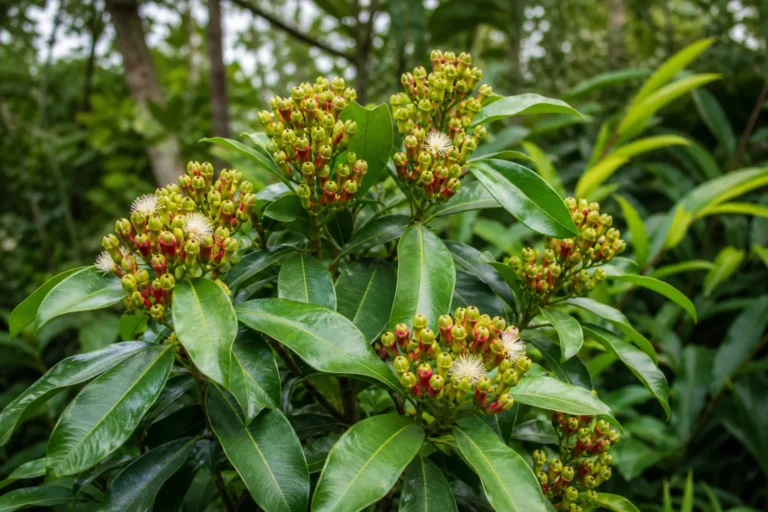
- Clove and cinnamon: Potent, warm oils that appear in ant and crawling-insect recommendations. They can irritate skin and damage finishes more readily than gentler oils, so they are better reserved for carefully formulated products than casual surface spraying.
If you want one versatile indoor oil, start with peppermint. For closets, choose cedarwood with lavender. For outdoor atmosphere, combine citronella, lemongrass, and geranium. For skin, buy a registered repellent whose active ingredient and protection time match your needs.
What essential-oil websites recommend
Established aromatherapy companies tend to circle around the same aromatic toolkit. Plant Therapy recommends citronella, cedarwood, peppermint, lemongrass, lavender, lime, tea tree, lemon, cinnamon, and clove in its gardening and ant-control guidance. Edens Garden highlights lemon eucalyptus, cedarwood, catnip, and other outdoor oils. doTERRA’s outdoor blend combines citronella, lemongrass, thyme, cedarwood, geranium, and peppermint.
That repetition is useful. It reflects the oils formulators and essential-oil users repeatedly choose for fresh-smelling outdoor blends, entry-point sprays, and scent barriers. These recommendations are practical aromatherapy guidance rather than proof that every homemade recipe controls every pest. Laboratory and regulatory evidence is strongest for specific ingredients, concentrations, formulations, and target insects.
Start with a simple pest-prevention foundation
Essential oils work best after you remove the things that keep inviting pests back. This approach is called integrated pest management: prevent access, remove food and water, monitor activity, and use a targeted control only where needed.
Before reaching for your oils:
- Wipe up crumbs, grease, sugary spills, and pet-food residue.
- Store pantry foods and animal feed in sealed containers.
- Fix dripping pipes and remove standing water from plant saucers, gutters, buckets, and outdoor containers.
- Seal gaps around pipes, screens, windows, baseboards, and exterior doors.
- Vacuum webs, insects, shed skins, and food debris before adding a scent barrier.
- Follow the trail to its source so you are treating an entry point rather than simply moving pests to another room.
Once the area is clean and dry, an essential-oil deterrent becomes the finishing layer—a clear aromatic boundary that is easy to refresh and monitor.
Peppermint and cedarwood entry-point spray
This is an adult household surface spray for door frames, window frames, and other hard, nonporous entry points. It is not a skin spray, room mist, pet product, or garden spray.
- 18 drops peppermint essential oil
- 12 drops cedarwood essential oil
- 1 teaspoon Polysorbate 20 or another oil-compatible solubilizer, used according to its directions
- Distilled water to fill an 8-ounce glass spray bottle
Mix the essential oils into the solubilizer first, then add the water and shake. Label the bottle with its ingredients and date. Make small batches, keep the mixture cool, and discard it if the smell, color, or clarity changes. A water-based homemade product has no validated preservation system, so replacing it after about one week is a conservative choice.
Spot-test an inconspicuous area. Spray the cloth rather than the surface when working near painted trim, then wipe a narrow band along the entry point. Keep the mixture away from food-preparation surfaces, unfinished wood, natural stone, acrylic, and delicate finishes. Do not apply it where a child or pet can lick the wet surface, and allow the area to dry and air fully before they return.
If you do not have a proper solubilizer, skip the water spray. Put three or four drops of peppermint on a cotton pad, place it in a small vented container, and position it beside the entry point where children and animals cannot reach it. Refresh the pad when the aroma fades.
Cedarwood and lavender closet sachet
For closets and storage chests, add four drops cedarwood and two drops lavender to an unfinished cedar block, felt pad, or cotton ball. Place it in a breathable pouch or vented container so the oil does not touch clothing. Refresh every one to two weeks at first, then adjust based on how quickly the aroma fades.
The oils are only one part of moth prevention. Wash or dry-clean vulnerable natural-fiber clothing before long-term storage, vacuum shelves and crevices, and use sealed garment bags or containers. If you see larvae, webbing, or repeated fabric damage, inspect the whole storage area rather than relying on a stronger sachet.
Citronella patio aroma blend
For an outdoor passive scent station, add six drops citronella, four drops lemongrass, and two drops geranium to an absorbent felt pad inside a vented, lidded container. Set it on a stable patio table away from food, faces, flames, pets, and children. Refresh it when the scent fades and bring it inside after use.
This gives an outdoor sitting area a crisp botanical aroma without putting a homemade mixture on skin. It is best treated as an atmospheric extra. Air movement and evaporation limit the reach and duration of any passive oil source, so it should not be your only protection when mosquitoes or ticks could transmit disease.
A practical pest-by-pest guide
- Ants: Clean the trail with soap and water, seal the entry gap, and place peppermint near the route. If ants return from inside a wall or form a persistent trail, use a targeted bait or pest professional rather than spraying over the evidence.
- Closet moths: Clean garments, vacuum storage areas, and seal susceptible fabrics. Cedarwood and lavender sachets make an excellent aromatic support.
- Mosquitoes: Empty standing water at least weekly, repair screens, wear protective clothing, and use an EPA-registered skin repellent when bite prevention matters. Citronella and lemongrass can complement an outdoor routine but should not carry the whole job.
- Flies: Remove waste, rinse recycling, cover food, clean drains, and repair screens. Catnip, peppermint, citronella, and lemongrass are popular aromatic additions after sanitation is handled.
- Spiders: Vacuum webs and egg sacs, reduce clutter, and seal gaps around doors and windows. Peppermint is a popular optional scent barrier, but it will not remove an established food source or hidden egg sacs.
- Rodents: Peppermint-soaked cotton is widely recommended online, but scent alone is not reliable rodent control. Seal openings, remove food, use appropriate traps, and call a professional for recurring activity.
- Cockroaches, termites, fleas, and bed bugs: These pests usually require species-specific integrated control. Do not let an appealing essential-oil recipe delay an inspection or proven treatment.
For mosquito and tick protection, choose a registered product
Plant oils are exciting repellent ingredients. Recent systematic reviews report promising laboratory results for citronella, lemongrass, eucalyptus, catnip, peppermint, and other essential oils. Formulation matters, however: the same volatile quality that makes an oil smell fresh also means protection can fade quickly. A 2026 review of human studies found that natural repellents based on citronella, lemon eucalyptus, neem, and lemongrass generally had shorter complete protection times than the longest-lasting conventional products.
The practical pro-oil choice is a well-formulated, EPA-registered botanical repellent. EPA’s registered skin-repellent ingredients include oil of lemon eucalyptus or PMD, citronella oil, catnip oil, and 2-undecanone, along with picaridin, IR3535, and DEET. Registration means the finished product has been evaluated for safety and effectiveness when used according to its label.
Do not confuse OLE or PMD with pure lemon eucalyptus essential oil. The Centers for Disease Control and Prevention does not recommend the pure essential oil as a repellent because it has not received the same validated safety and effectiveness testing. OLE and PMD products should not be used on children younger than three. For every child, apply repellent with an adult’s hands and keep it away from hands, eyes, mouth, cuts, and irritated skin.
Use essential oils carefully around pets
Pets are not small people, and each species handles aromatic compounds differently. Cats and birds deserve particular caution; dogs can also be harmed by concentrated oil exposure.
- Never apply a homemade essential-oil pest blend directly to a pet, collar, coat, paws, bedding, litter area, food bowl, or water bowl.
- Keep bottles, cotton pads, sachets, and freshly treated surfaces out of reach.
- Avoid routine diffusion as a pest-control strategy in a home with animals. Do not diffuse around birds.
- Use a surface product only in a separate, ventilated area and let it dry and air completely before an animal returns.
- Watch for drooling, vomiting, wobbliness, unusual sleepiness, coughing, breathing difficulty, or skin irritation after possible exposure. Contact a veterinarian or animal poison-control service promptly if symptoms occur.
“Natural” does not make a concentrated oil automatically pet-safe. Thoughtful placement lets you enjoy an aromatic pest routine without turning your animal’s favorite floor, window, or bed into an exposure site.
Surface, skin, and household safety
- Do not swallow essential oils or add them to food as pest control.
- Do not spray undiluted oils into the air, onto skin, or directly onto animals.
- Keep oils and mixtures away from eyes, open flames, heat, aquariums, and children’s reach.
- Test every surface first. Essential oils can stain fabric and damage paint, plastic, polished stone, varnish, and rubber.
- Do not spray garden plants with a household recipe. Oils and emulsifiers can burn foliage, harm beneficial insects, or act differently in sunlight.
- Use clove, cinnamon bark, thyme, and oregano especially cautiously; these strong oils are more likely to irritate skin and mucous membranes.
- If anyone in the home has asthma, fragrance sensitivity, migraines, epilepsy, or significant allergies, choose a less volatile method or seek individualized guidance.
The site’s Safe Use of Essential Oils guide covers dilution, patch testing, storage, and sensitive-population precautions in more detail. Browse Common Uses of Essential Oils for other practical ways to build oils into everyday routines.
When an essential-oil approach is not enough
Call a qualified pest professional when you find structural damage, termites, rodents inside walls, a wasp nest near living space, repeated cockroach activity, a bed bug infestation, venomous spiders, or a pest problem that continues after food, water, and entry points have been addressed. Seek medical care for severe bites or stings, trouble breathing, facial swelling, widespread hives, dizziness, or signs of infection.
Bed bugs deserve special mention. Essential-oil sprays do not reliably reach every crack, egg, and hiding place. EPA recommends an integrated plan that may include inspection, vacuuming, encasements, heat or cold methods, monitoring, and correctly labeled products. Early, thorough action is far more useful than repeatedly perfuming the room.
Bottom line
Essential oils earn a place in pest control when they are used as aromatic deterrents within a clean, sealed, well-monitored home. Peppermint is the indoor workhorse, cedarwood and lavender belong in closets, and citronella, lemongrass, geranium, and catnip are natural choices for outdoor-focused products.
Keep the goal specific. Use a scent barrier to make an entry point less inviting, a sachet to support clean clothing storage, or a registered botanical repellent for dependable skin protection. When pests are established, damaging the home, or carrying disease risk, let essential oils support—not replace—the stronger control plan the situation calls for.
Aromatherapy and formulation sources
- Essential Oils and Gardening: Natural Tips for Maintaining Your Garden — Plant Therapy
- Ask an Aromatherapist: Spring — Plant Therapy
- Essential Oils for Ants — Plant Therapy
- Embrace the Outdoors: Bug Bite Relief — Edens Garden
- TerraShield Outdoor Blend — doTERRA
Scientific and public-safety sources
- Skin-Applied Repellent Ingredients — U.S. Environmental Protection Agency
- Regulation of Skin-Applied Repellents — U.S. Environmental Protection Agency
- Preventing Mosquito Bites — Centers for Disease Control and Prevention
- Mosquitoes, Ticks, and Other Arthropods — CDC Yellow Book
- Integrated Pest Management Principles — U.S. Environmental Protection Agency
- Smart Pest Control: Protect Your Health — U.S. Environmental Protection Agency
- Do-It-Yourself Bed Bug Control — U.S. Environmental Protection Agency
- Effectiveness of Citronella Preparations in Preventing Mosquito Bites: Systematic Review — PubMed
- Effectiveness of Mosquito Repellents for Humans: Systematic Review — PubMed
- Repellency of Five Essential Oils to Argentine Ants — U.S. EPA HERO
- Essential Oils Around Pets — ASPCA
This article is for education only. It describes essential oils as supportive household tools and does not replace product labels, veterinary or medical advice, or professional pest control.
Last reviewed: August 1, 2026